Read this not as a supporter of any party, but as a citizen of India.
Imagine a young Indian who studies day and night, hoping for a government job.
Imagine a farmer who watches the sky, praying for rain and a fair price for his crops.
Imagine a mother who wants nothing extraordinary from her country—only good schools, safe streets and a better future for her children.
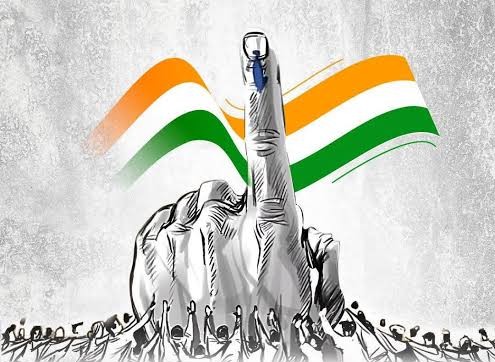
And imagine a first-time voter standing in a queue, holding an identity card, believing that one small vote can make a difference.
That is the real story of India.
Not just the speeches in Parliament.
Not just the rallies that fill the streets.
Not just the arguments that dominate television screens.
The real story is the ordinary Indian who wakes up every morning and works to keep this country moving.
The question every generation must ask
India is witnessing intense debate over electoral rolls, voting rights and the accountability of institutions. Opposition parties have raised concerns about voter-list revisions, while the Election Commission has defended its processes. These are contested issues that require transparent evidence, scrutiny and due process—not rumours or blind loyalty.
But the larger question belongs to every Indian:
How do we ensure that every eligible citizen can exercise their democratic rights and trust the process?
Because democracy is not merely the moment when we press a button on an electronic voting machine. It is also the trust we place in the institutions that protect that choice.
The real strength of India
A government can change.
A political party can rise.
A political party can fall.
A leader can become popular today and face criticism tomorrow.
But India must remain bigger than all of them.
Our soldiers protect our borders. Our farmers feed our families. Our workers build our cities. Our scientists push boundaries. Our teachers shape minds. Our young people carry dreams that are larger than their circumstances.
And every citizen—regardless of religion, caste, language, wealth or political preference—deserves dignity under the law.
That is not weakness. That is the promise of a constitutional democracy.
Before you defend a politician, ask yourself five questions
- Are ordinary citizens getting better opportunities?
- Are public institutions transparent and accountable?
- Are eligible voters able to exercise their rights?
- Are public resources being used responsibly?
- Can people disagree peacefully without becoming enemies?
Ask these questions of every party, every government and every leader.
Not because you hate anyone.
But because loving your country means caring enough to question those who govern it.
The goosebumps moment 🇮🇳
One day, the banners will come down.
The campaign songs will become memories.
The speeches will disappear from television.
The political arguments of today will become chapters in history.
But the child who needs a good school will still be there.
The young person searching for a job will still be there.
The farmer hoping for a better harvest will still be there.
And the next generation will ask us one question:
When you had the power to shape India's future, what did you do with it?
Will we tell them that we spent our time hating fellow Indians?
Or will we tell them that we demanded better governance, protected our rights, respected our differences and worked to build a stronger nation?
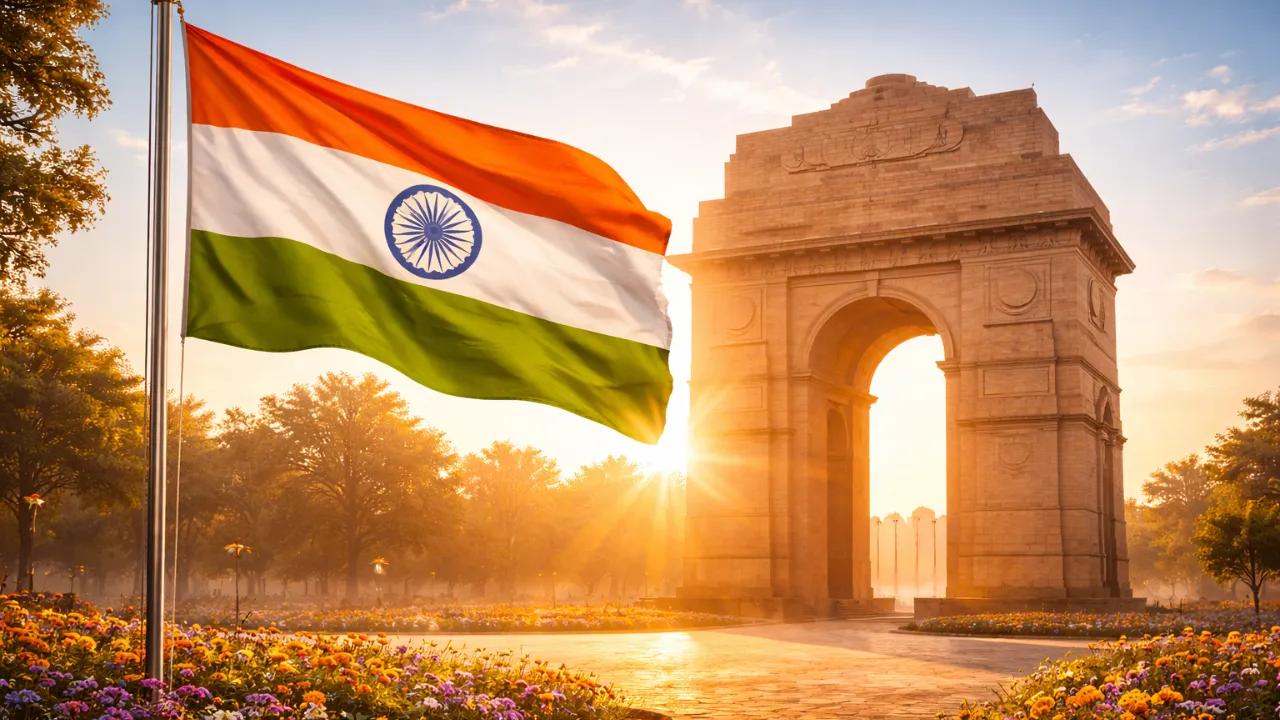
The tricolour does not belong to one party. The Constitution does not belong to one ideology. And India's future does not belong to one leader.
It belongs to its people.
🇮🇳 Jai Hind. Jai Bharat.
A politician's term will end. A party's power may change. But India belongs to generations yet to come. 🇮🇳
Real patriotism means demanding accountability, protecting every eligible citizen's vote, and respecting the rights of those who disagree with us.
Don't just ask who should rule India. Ask what kind of India we are building.
Jai Hind! 🇮🇳